
6 August 2020 · review
Pathogenesis, diagnosis and management of dentin hypersensitivity: an evidence-based overview for dental practitioners
Xiu-Xin Liu, Howard C. Tenenbaum, Rebecca S. Wilder, Ryan Quock, Edmond R. Hewlett, Yan-Fang Ren
Published in: BMC Oral Health 2020;20:220 · DOI 10.1186/s12903-020-01199-z
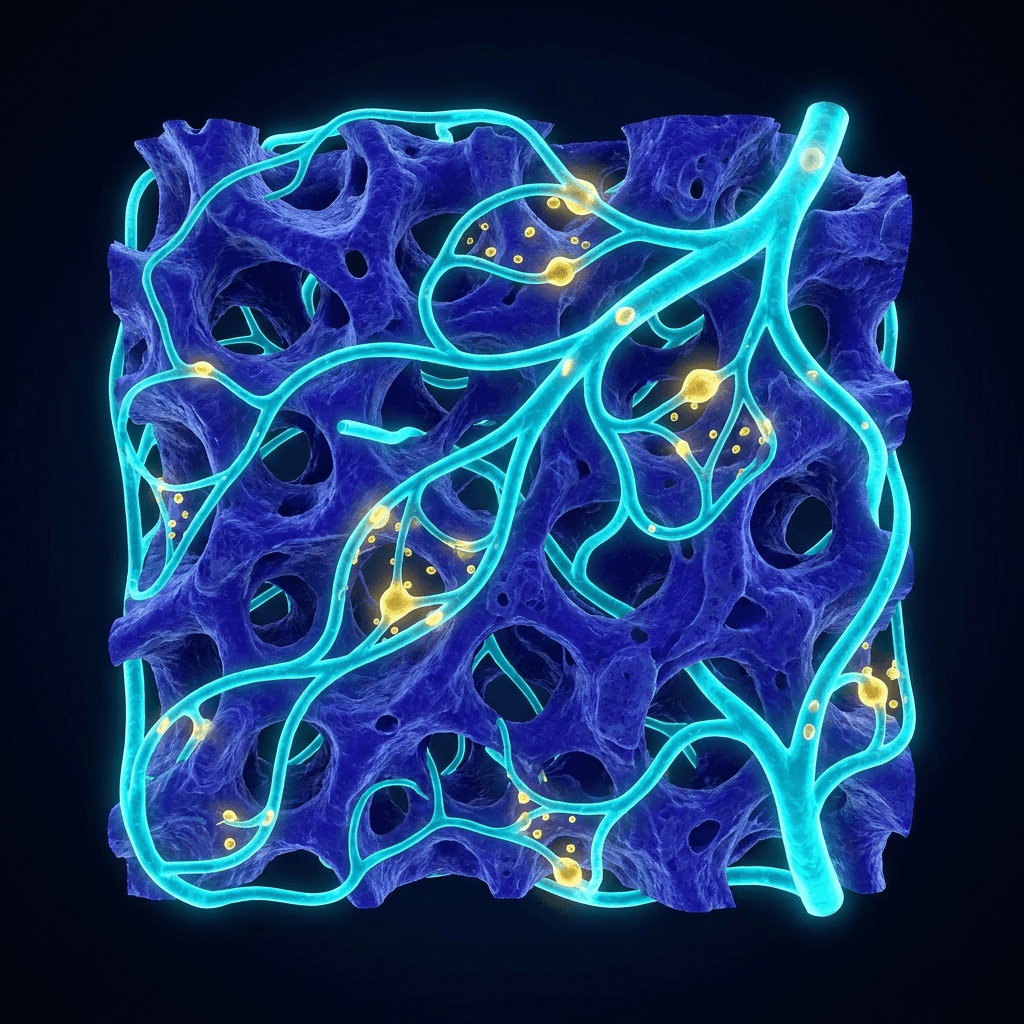
Review: risk factors, the hydrodynamic theory and strategies for the differential diagnosis and management of dentin hypersensitivity (BMC Oral Health, 2020)
Abstract
Objectives
To provide dental practitioners with an up-to-date overview of the risk factors, mechanisms, differential diagnosis and management strategies of dentin hypersensitivity (DHS).
Materials and methods
Literature review of the aetiology, predisposing factors and proposed neurosensory mechanisms of DHS, with a structured summary of the principles of diagnosis and management.
Results
The most widely accepted explanation of the pain is the hydrodynamic theory of fluid movement within open dentinal tubules. Most desensitising agents reduce symptoms by occluding the tubules, but their long-term effect remains uncertain.
Conclusions
A deeper understanding of the nociceptive mechanisms of DHS should lead to more effective methods for long-term symptom relief.
Dentin hypersensitivity is one of the most common complaints in the dental chair, yet there are no generally accepted guidelines for its diagnosis and management. The review summarises risk factors, mechanisms and principles of patient management.
Keywords
Dentin hypersensitivity, Hydrodynamic theory, Toothache, Enamel erosion, Dentinal tubules
Related articles

1 March 2009 · Research · Diagnosis & clinic
Rapid Nondestructive Measurement of Root Dentin MoistureExperimental study: a digital moisture meter for assessing dentin without destroying the specimen (OpenCommons@UConn, 2009)